
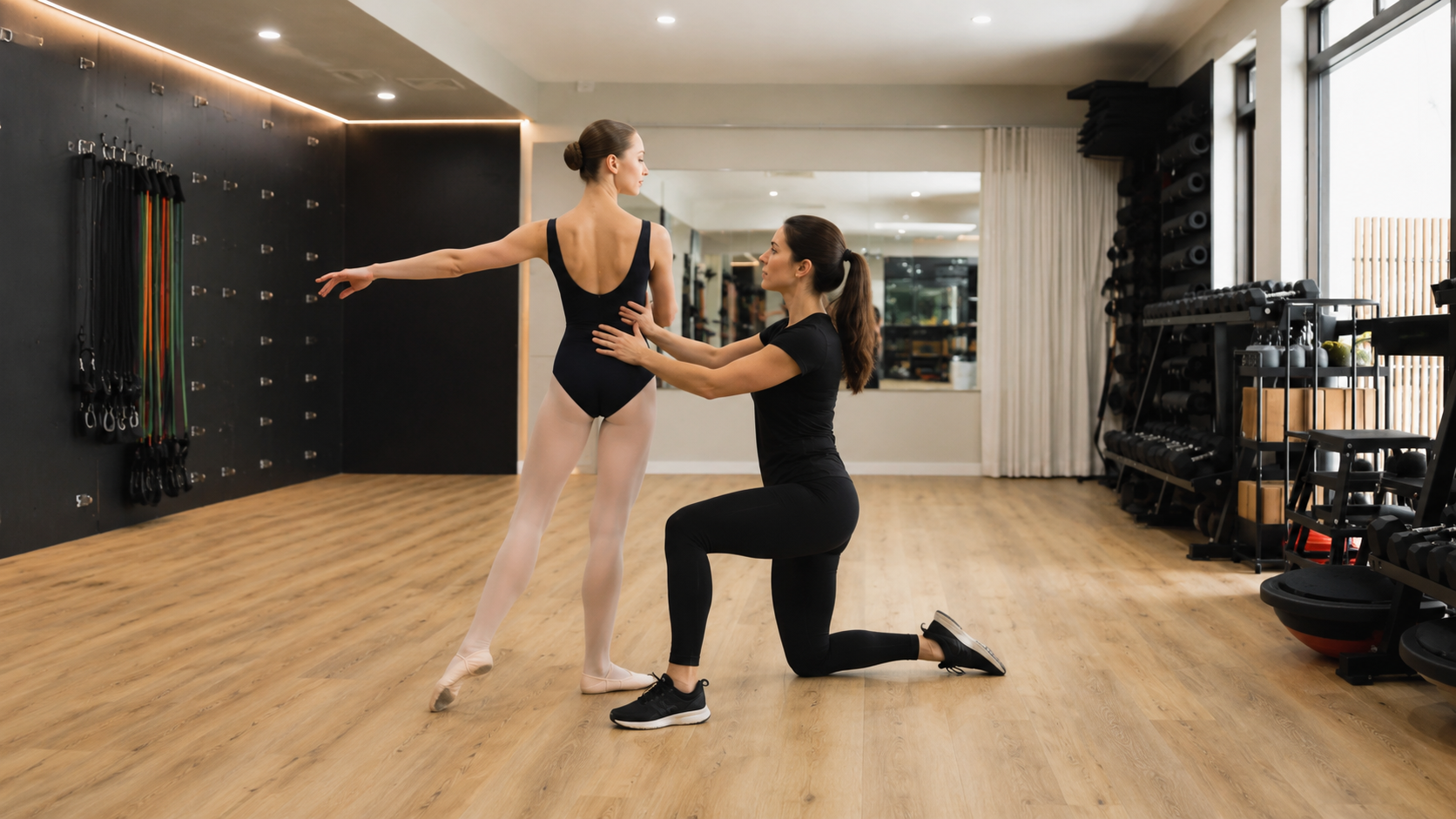
Ballet & Dance Physiotherapy in Noosa
Assess. Treat. Strengthen. Perform.
Dance places unique demands on the body.
From turnout and pointe work to repeated jumping, landing, flexibility and high training volumes, dancers need a combination of mobility, strength, control, endurance and technical efficiency.
At Activate Body Noosa, our physiotherapy and strength team works with dancers to assess movement, manage injuries, improve physical capacity and reduce the risk of recurring problems.
Whether you are preparing for pointe work, managing an injury, returning to dance or looking to improve your physical performance, we can help build a clear pathway forward.
A dance-specific assessment to assess physical qualities affecting your performance.
Pre-pointe strength, mobility, balance, control and technical foundation assessment
Dance injury treatment & Management & return to dance rehabilitation
Call 0494 128 639
Dance Physiotherapy Assessments
A dance-specific assessment looks beyond the painful area.
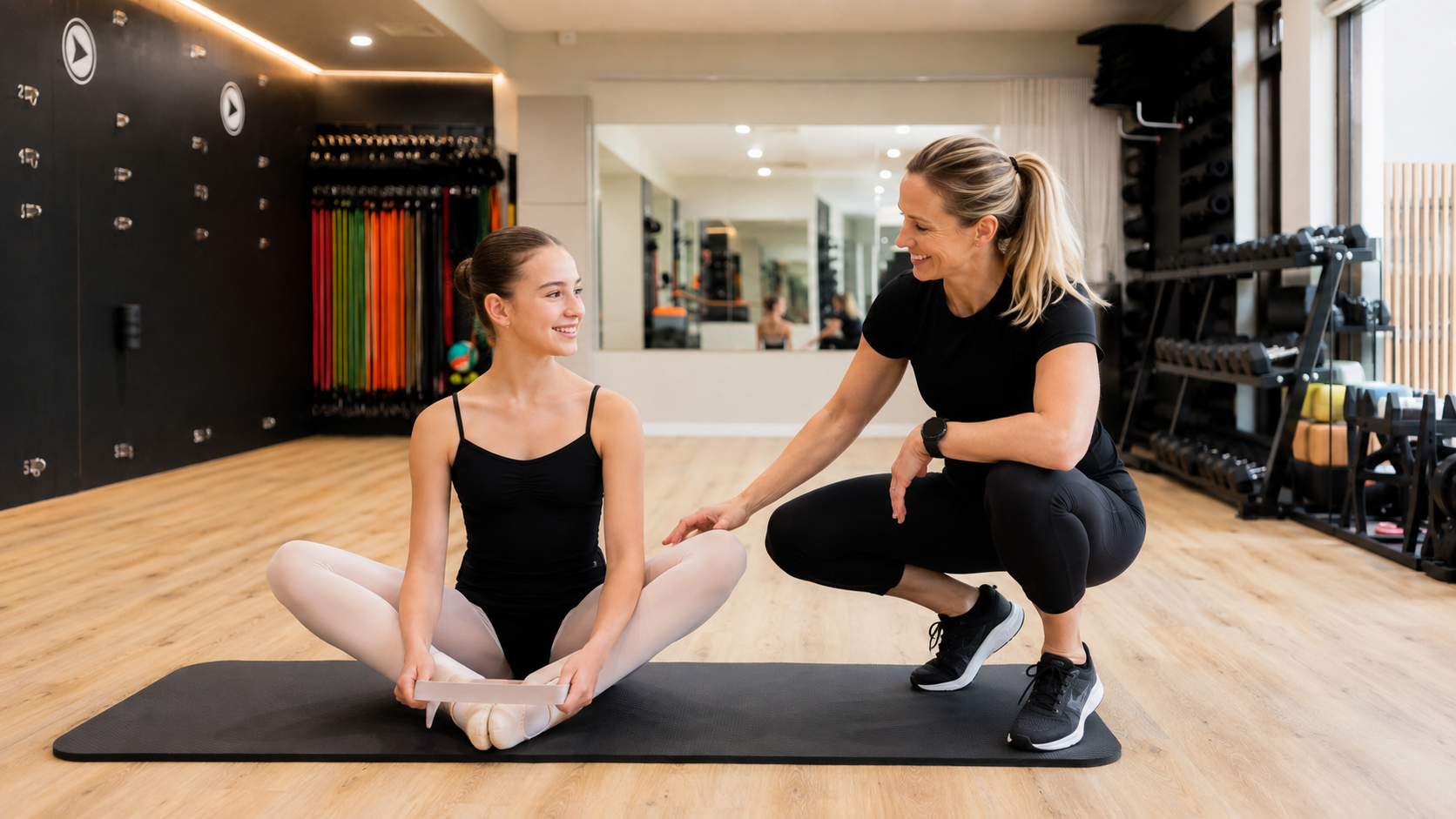
Where appropriate, we can also incorporate objective strength and performance testing using VALD technology to help identify deficits, asymmetries and areas for improvement.
The goal is not simply to identify what is “tight” or “weak”.
The goal is to understand whether your body currently has the capacity, control and resilience required for the demands of your dance training.
We assess the physical qualities that influence how you move and perform, including:
Foot and ankle strength
Calf strength and endurance
Pointe and demi-pointe control
Ankle and big-toe mobility
Hip mobility and turnout
Knee alignment and control
Single-leg balance
Core and pelvic control
Landing mechanics
Jump and hop capacity
Strength and side-to-side asymmetry
Dance-specific movement technique
Previous injuries and current training load
Pre-Pointe Assessment
Progressing onto pointe is an important milestone for a ballet dancer, but age alone does not determine readiness.
A dancer needs adequate strength, mobility, balance, control and technical foundation to safely tolerate the demands of pointe work.
Our Pre-Pointe Assessment examines key areas including:
Foot and ankle mobility
Pointe range
Calf strength and endurance
Single-leg balance
Demi-pointe control
Foot intrinsic strength
Hip turnout range and control
Knee and lower-limb alignment
Core and pelvic stability
Plié and relevé control
Jumping and landing mechanics
Dance-specific technique
Current and previous injuries
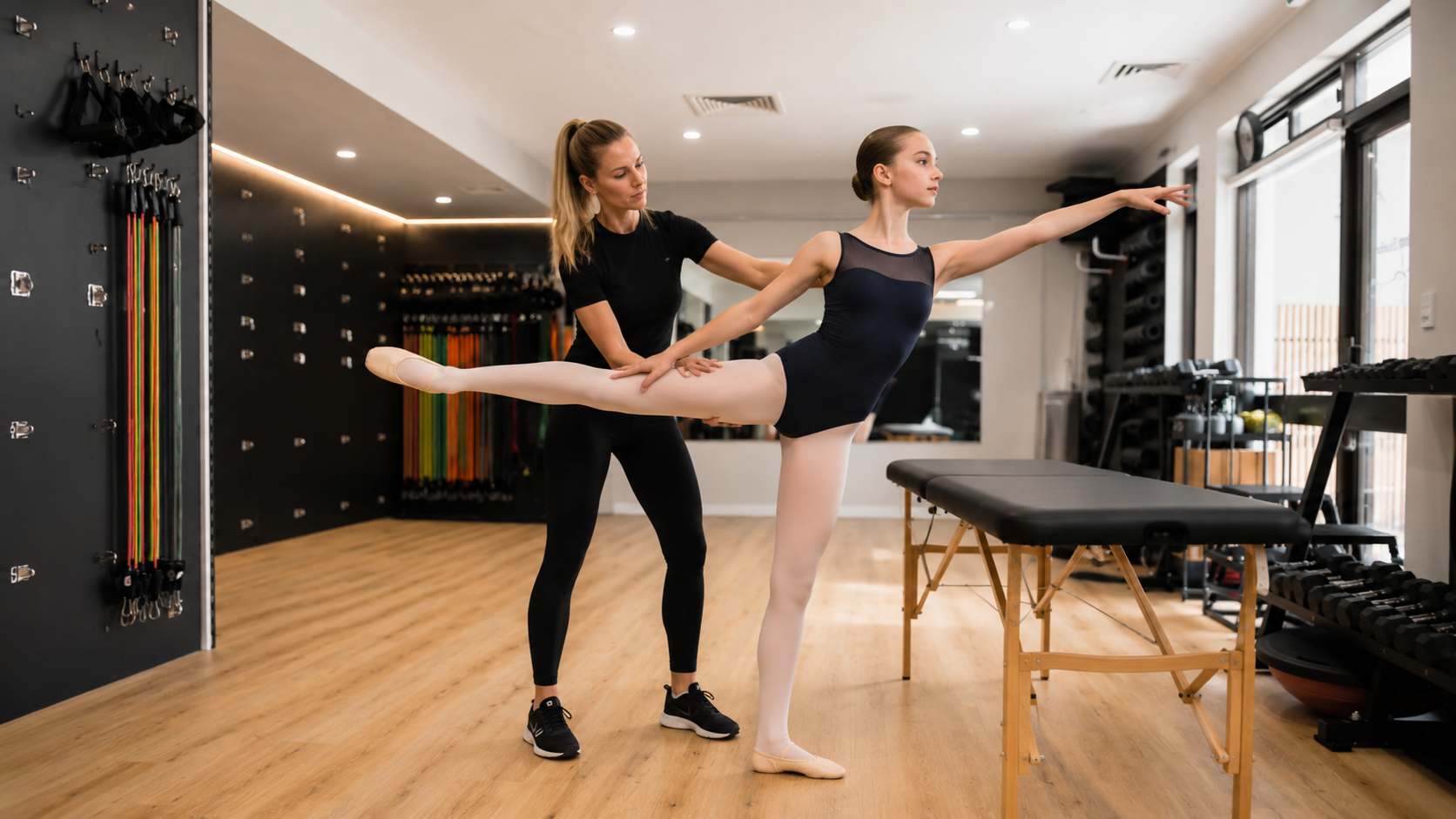
Following the assessment, dancers and parents receive clear recommendations regarding readiness and any areas that need further development.
Where required, we provide an individualised exercise program and progression plan before reassessment.
The aim is simple: Build the physical capacity required to progress onto pointe with confidence.
Dance Injury Treatment & Management
Dance injuries are rarely caused by one factor alone.
Pain may develop because of a combination of training load, technique, mobility restrictions, strength deficits, growth, recovery and repeated exposure to demanding positions.
We assess the injury while also considering the dancer as a whole.
Common dance-related presentations include:
Ankle sprains
Foot and ankle pain
Achilles tendon pain
Posterior ankle impingement
Shin pain
Stress reactions and bone stress injuries
Knee pain
Hip and groin pain
Hamstring injuries
Lower back pain
Tendon-related problems
Muscle strains
Growth-related pain in younger dancers
Overuse injuries
Recurrent niggles that return with increased training
Treatment may involve physiotherapy, load modification, mobility work, progressive strengthening, balance and proprioception training, jump and landing rehabilitation and gradual return to dance.
The objective is not only to settle symptoms.
It is to restore the dancer's capacity to tolerate the actual demands of dance.
Return to Dance Rehabilitation
Being pain-free does not automatically mean you are ready to return to full dance training.
A structured return-to-dance program progressively rebuilds the qualities required for rehearsals, classes, performances and competitions..
This may include:
Calf and foot strengthening
Single-leg strength
Hip and trunk strength
Plyometric progression
Jump and landing capacity
Balance and proprioception
Pointe-specific loading
Relevé endurance
Dance-specific movement progression
Training-load management
Objective reassessment
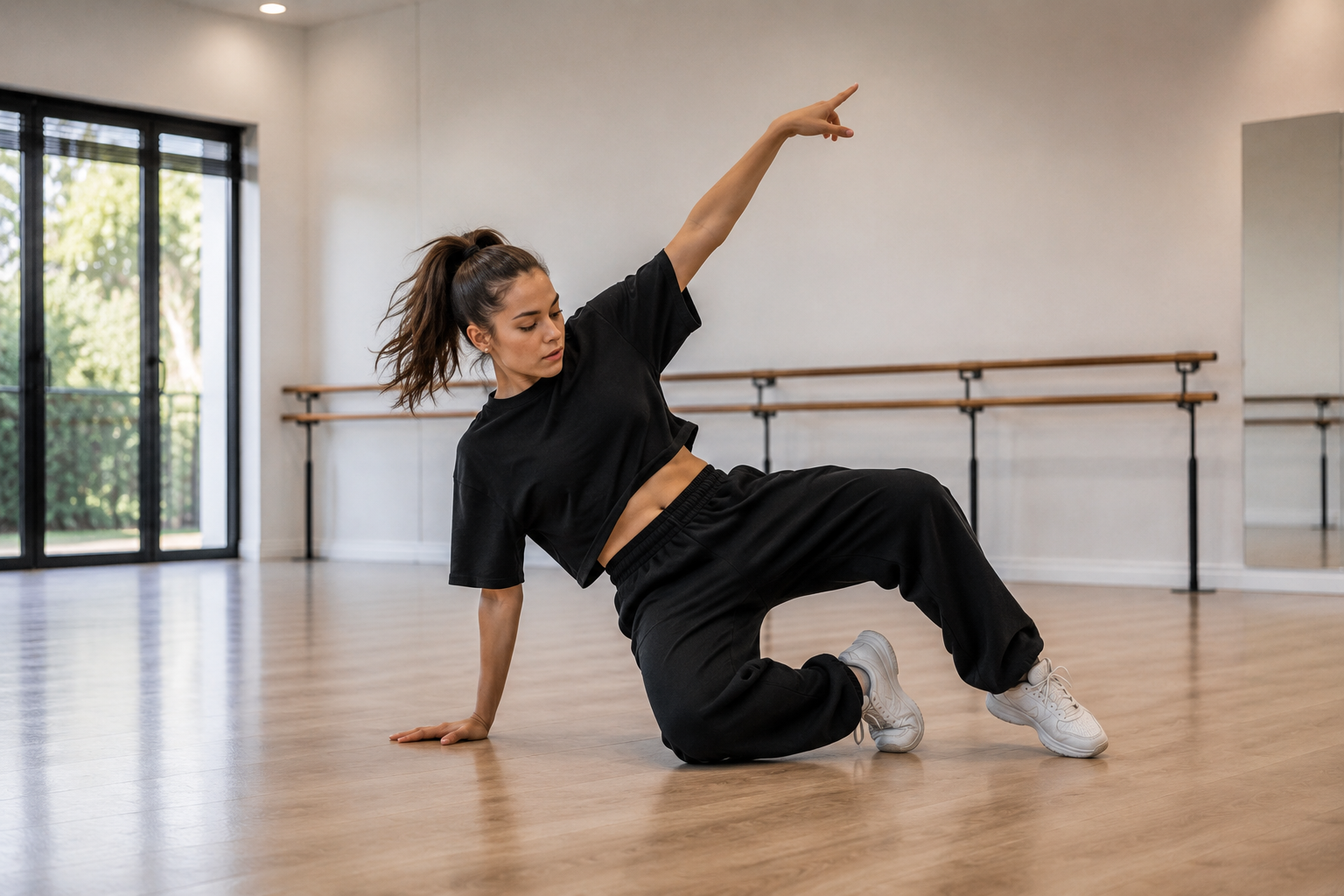
Where appropriate, return-to-dance decisions can be supported by measurable strength and performance testing rather than symptoms alone.
Injury Prevention & Performance
You do not need to be injured to benefit from a dance physiotherapy assessment.
Many dancers use assessment and strength training proactively to identify areas that may limit performance or increase injury risk.
We can help dancers improve:
Strength
Develop stronger feet, ankles, calves, hips and trunk.
Control
Improve lower-limb alignment, balance and single-leg stability.
Power
Build jumping and landing capacity.
Mobility
Develop the movement required for dance without relying on uncontrolled flexibility.
Endurance
Improve the ability to maintain technique as fatigue develops.
Resilience
Build the physical capacity to tolerate increasing rehearsal and performance demands.
If you’re unsure whether we can help, contact our team →
Strength Training for Dancers
Strength training should complement dance training, not compete with it.
A well-designed program can improve:
Jump height and power
Landing control
Calf and ankle capacity
Hip strength
Single-leg control
Trunk stability
Muscular endurance
Bone-loading capacity
Injury resilience
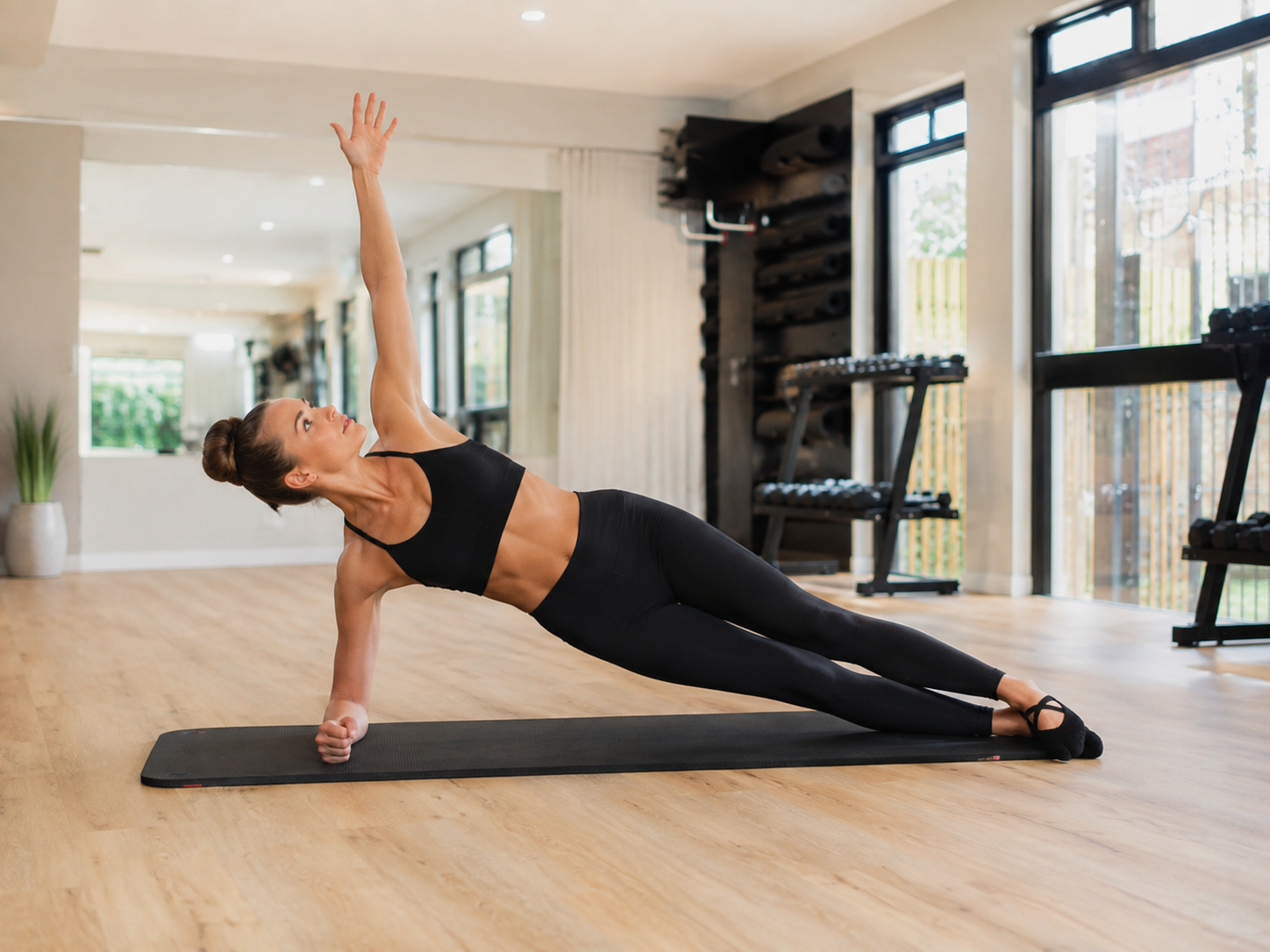
Programs are tailored to the dancer's age, training history, injury history and current dance schedule.
For younger dancers in particular, the emphasis is on movement quality, progressive loading, control and long-term athletic development
Which Physio Appointment Should You Book?
Initial Consultation
For new clients or new injuries.
Comprehensive assessment, diagnosis, and structured treatment plan.
Standard Consultation
For follow-up treatment and progression of your rehabilitation plan.
If you’re unsure, book an Initial Assessment or contact reception.
Rehabilitation That Progresses Into Strength
Many injuries recur because rehabilitation stops too early.
At Activate Body Noosa, physiotherapy can transition into structured 1:1 strength coaching or clinical strength classes — ensuring long-term durability, not just short-term relief.
Physio FAQs
-
No referral is required for private physiotherapy. If you’re attending under WorkCover, a GP management plan, or another scheme, please bring the relevant documentation
-
Yes, rebates are available for eligible services depending on your health fund cover. We can process on-the-spot claims where applicable.
-
Pre-Pointe & Dance Assessments are 60 min, Initial Assessments are 45 minutes to allow comprehensive assessment and planning. Standard Consultations are follow-up sessions focused on treatment progression which Ade 30 minutes
Ready to Get Started?
Book your physiotherapy appointment online or speak with our team.
Call 0494 128 639